Updated:
Two roofing bids with the same total can buy different roofs. One may include full tear-off and new flashing, while another leaves deck repair, drip edge, permits, and cleanup as extra charges. The homeowner’s job is to make each bid describe the same roof, risks, and written responsibilities before price decides anything.
Use the three-bid scenario as a procurement exercise: normalize every bid in writing, then compare.
How should a homeowner normalize roofing contractor bids before comparing price?
A homeowner should compare roofing contractor bids only after converting each estimate into the same scope categories: roof area, tear-off layers, deck repair allowance, underlayment, flashing, ventilation, permits, disposal, cleanup, and warranty.
A bid-comparison worksheet should separate fixed scope from allowances
Stop reading only the total at the bottom. Three similar totals can buy three different roofs if one bid includes full tear-off, one assumes installation over existing shingles where allowed, and one leaves rotten decking or dump fees open.
| Bid item to normalize | What the worksheet should capture | Contractor A | Contractor B | Contractor C |
|---|---|---|---|---|
| Roof quantity | Squares, linear feet, vents, and pipe boots | Fill in | Fill in | Fill in |
| Tear-off and disposal | Layers removed, disposal, and site protection | Fill in | Fill in | Fill in |
| Deck and trim allowances | Unit price for sheathing, plank, fascia, and hidden damage | Fill in | Fill in | Fill in |
| Roofing system | Shingle, underlayment, ice barrier, starter, ridge cap, vents, fasteners, and flashing | Fill in | Fill in | Fill in |
| Closeout responsibility | Permit, inspection, magnet sweep, debris removal, warranty paperwork, and photos | Fill in | Fill in | Fill in |
A fixed-scope item is work priced into the bid. An allowance is a placeholder that can move after tear-off exposes the deck. Formal asphalt shingle specifications can define removal and disposal broadly, including existing roofing systems, flashings, sheet metal items, and related roof components, as shown in this asphalt shingle roofing specification.
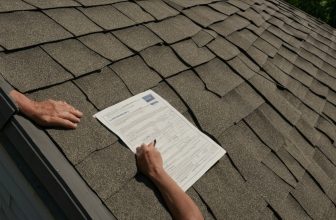
How should a homeowner normalize roofing contractor bids before comparing price shown with practical context cues.
If a line item cannot be measured, photographed, counted, or confirmed in writing, keep it in the notes column until the contractor clarifies it. “Replace bad wood as needed” is not comparable to “replace roof sheathing at a stated per-sheet price after owner approval.”
A roofing contractor bid should be matched to license, insurance, and address details
Bid comparison starts with eligibility. NRCIA explains that a workmanship warranty depends on the contractor’s ability to honor it and advises choosing a licensed, insured contractor with a strong reputation in its roofing workmanship warranty guidance.
Match the business name on the estimate, license record, insurance certificate, contract, permit application, and warranty registration. The address on each bid should also match the project address, access assumptions, material type, and start window.
Which scope differences make two roofing contractor estimates not equivalent?
Two roofing contractor estimates are not equivalent when they differ on tear-off depth, roof deck inspection, rotten decking pricing, starter course, drip edge, flashing replacement, pipe boots, ventilation, or cleanup.
Tear-off assumptions and roof deck repair pricing can change the real project cost
A full tear-off bid buys access to the roof deck; an overlay or partial tear-off bid may buy a lower starting price with less certainty. Mark any estimate that says “remove existing shingles” differently from one that says “install over existing roofing where allowed.” Those are different projects.
- Layer count risk: The bid should state whether the contractor priced one layer, multiple layers, or an overlay.
- Deck condition risk: The estimate should say how the contractor will handle soft sheathing, broken boards, plank gaps, or water-damaged edges.
- Repair pricing risk: Deck repair should carry a unit price, such as per sheet, per square foot, per board, or written time-and-material terms.
Underlayment, ice barrier, and drip edge should be specified by product and location
Water-shedding layers are not interchangeable. A bid that names synthetic underlayment across the field, self-adhering membrane at eaves and valleys, and metal drip edge at eaves and rakes is stronger than “felt and metal as needed.”

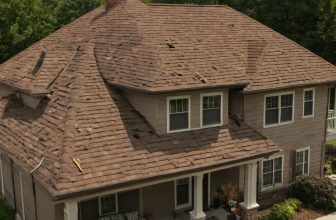
Which scope differences make two roofing contractor estimates not equivalent shown as an editorial planning reference.
- Eaves and rakes: Confirm drip edge type, color if exposed, and whether both eaves and rakes are covered.
- Valleys and low-slope tie-ins: Confirm whether self-adhering membrane or another approved lining is included.
- Walls, chimneys, and skylights: Confirm whether underlayment and membrane extend behind new flashing where practical.
- Ventilation during interior-adjacent work: If work includes solvent-based primers, coatings, or interior finish repairs, the U.S. Environmental Protection Agency identifies building materials as possible VOC sources and recommends increased ventilation during use of VOC-emitting products in its EPA guidance on VOCs and indoor air quality.
Flashing and penetration details are major bid-comparison items
Flashing language separates careful roofer contractors from thin estimates. “Reuse existing flashing where possible” is not the same as “replace step flashing at sidewalls, install new pipe boots, replace roof vents, and install new chimney counterflashing as needed.”
- Sidewalls and headwalls: Ask whether step flashing, apron flashing, and counterflashing are new or reused.
- Chimneys: Ask whether masonry repairs, reglet counterflashing, cricket work, or sealant-only patching are included or excluded.
- Pipe boots and vents: Ask whether every boot and roof vent will be replaced.
- Skylights: Ask whether the bid includes new flashing kits, curb repairs, or only shingle work around the unit.
What material and installation specifications should roofing companies name in the bid?
Roofing companies should identify the product line, shingle type, underlayment, starter strip, ridge cap, fasteners, vents, flashing metals, sealants, and installation standard in the written bid. Asphalt shingle bids need this detail because the roof performs as a system.
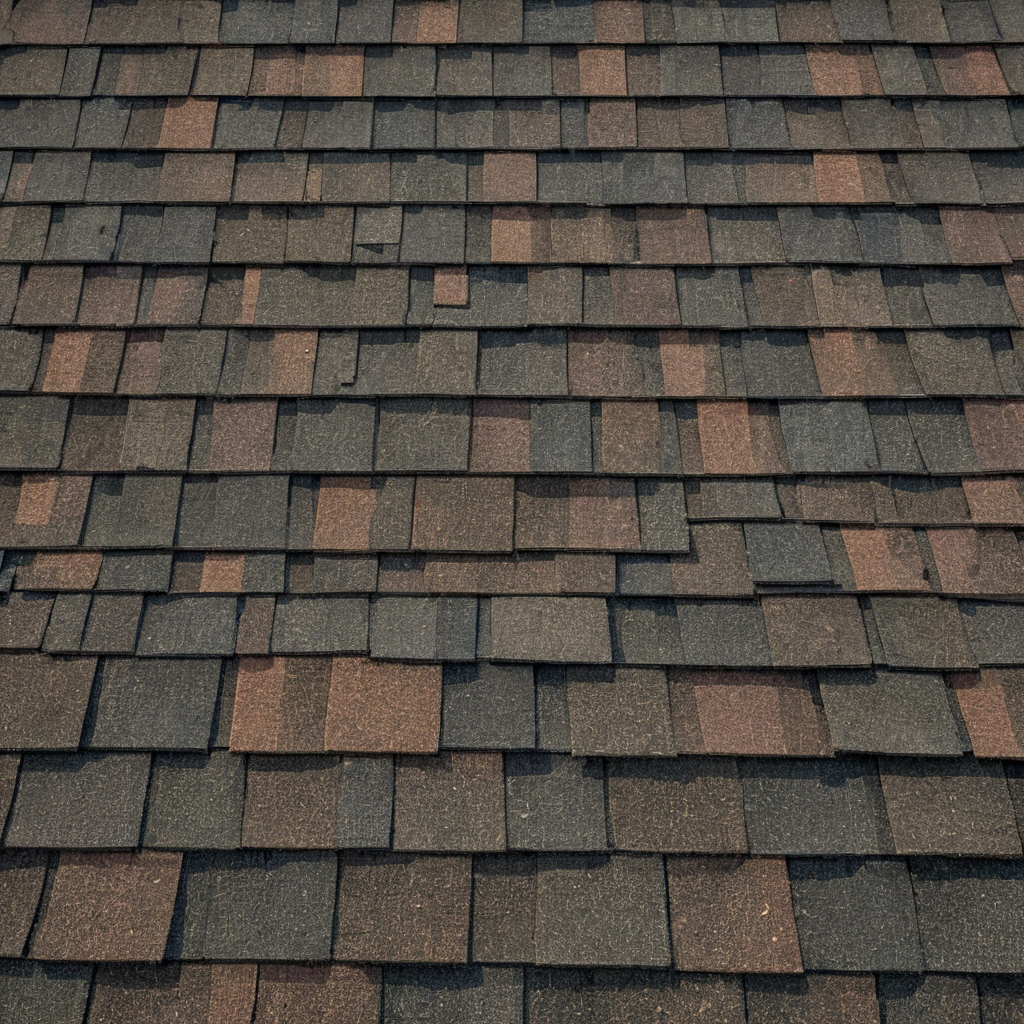
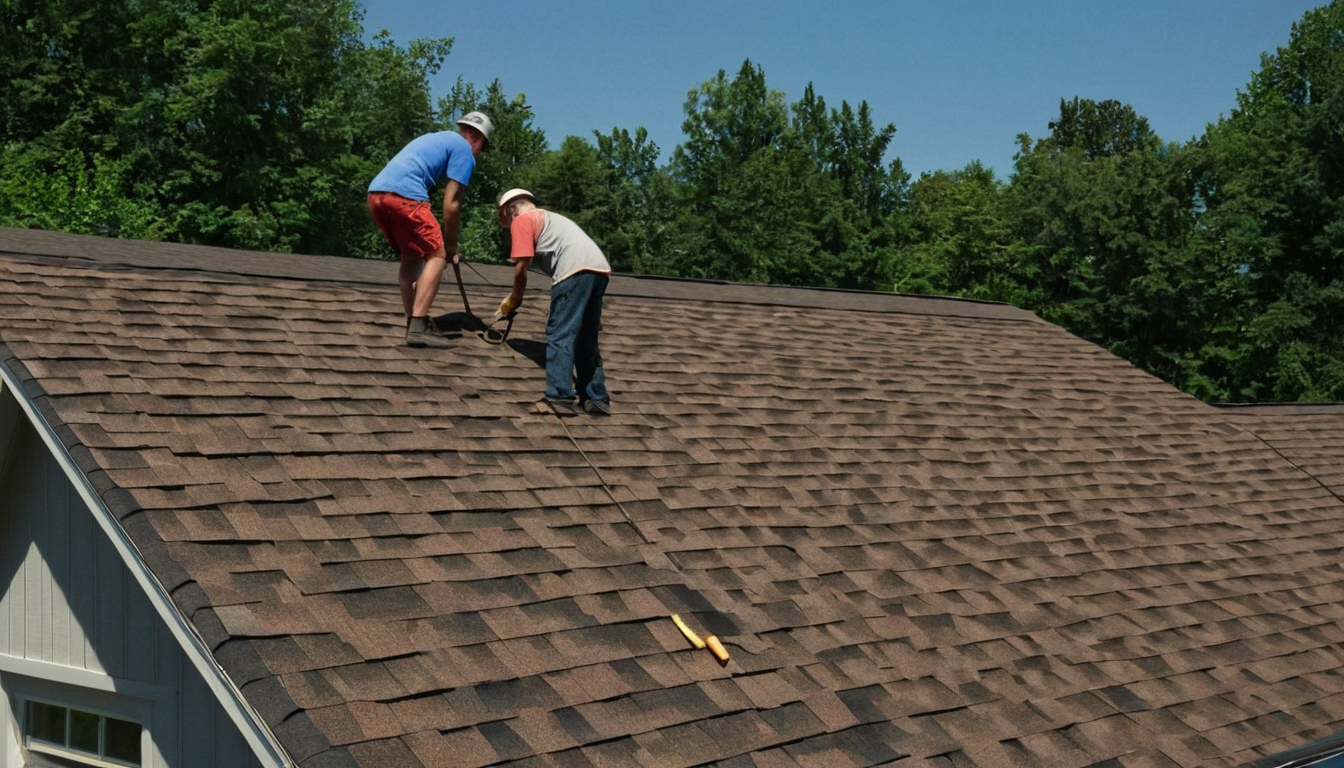
What material and installation specifications should roofing companies name in the bid shown with practical context cues.
A roofing bid should name the shingle system, not just the shingle color
A complete shingle specification tells the homeowner what will arrive on the driveway. “Architectural shingle, charcoal” is not enough. The bid should name the manufacturer, product line, profile, color, starter strip, hip and ridge cap, underlayment type, ice barrier where required, drip edge metal, valley method, pipe boots, and fastener pattern.
A project specification for asphalt shingle roofing can require labor, materials, and equipment for a composition shingle system over self-adhering underlayment on a prepared substrate. The same specification lists submittals such as product data, samples, installer qualification data, test reports, maintenance data, and warranties in its asphalt shingle roofing requirements.
- Acceptable bid language: manufacturer, product line, shingle profile, color, starter strip, ridge cap, underlayment, fasteners, and flashing metals.
- Weak bid language: “30-year shingle,” “premium shingle,” or “color selected by owner” with no accessory package.
- Verification action: ask each roofing contractor to attach product data sheets before comparing price.
Ventilation scope should show intake, exhaust, and calculation method
Ventilation scope should identify both intake and exhaust, not just “add ridge vent.” A bid should state whether the roof uses ridge vents, box vents, off-ridge vents, soffit vents, edge intake vents, or another intake method, and it should show how the contractor calculated net free ventilation area.
- Confirm whether existing soffits are open, blocked by insulation, painted shut, or missing.
- Ask whether new intake vents require eave carpentry or attic access for baffle work.
- Match exhaust changes with intake capacity so the system does not pull air from the living space.
- Require the bid to state who corrects bathroom fan ducts, disconnected vents, or damp attic conditions discovered during roof work.
Moisture control belongs in the bid conversation because attic condensation can shorten roof life. The U.S. Environmental Protection Agency says wet or damp spots should be fixed promptly to help prevent mold growth in its guide to mold, moisture, and homes.
How do warranty terms change the risk in roofer contractors bids?
Warranty terms change a roofing bid because manufacturer coverage, contractor workmanship coverage, registration rules, transfer limits, and exclusions are separate promises. Homeowners comparing roofer contractors should read the actual warranty documents before signing.
Manufacturer warranty and workmanship warranty should be compared separately
A manufacturer warranty usually addresses defects in the physical roofing products, while a workmanship warranty addresses the contractor’s installation labor. A long shingle warranty does not automatically pay for a leak caused by poor flashing, wrong nail placement, skipped starter, or a roof deck problem.
The NRCIA explanation of roofing workmanship warranties separates workmanship coverage from material coverage: the manufacturer covers products such as shingles and underlayment, while the roofer covers the hands-on installation work.
Installer status also belongs in the warranty review. A public asphalt shingle roofing specification from Mariposa County requires qualification documentation showing a certificate from the asphalt shingle manufacturer when that requirement applies. Ask the roofing contractor to name the warranty level, registration steps, and any installer credentialing needed for that coverage.
Warranty exclusions should be checked against the home’s roof conditions
Warranty exclusions turn site conditions into financial risk. A bid can look stronger because it says “enhanced warranty,” but the promise may narrow if the attic lacks proper ventilation, the roof slope is too low, the deck is soft or uneven, the flashing is reused, or later work adds unapproved penetrations.
The better question is: Which real conditions on this roof could limit or void the warranty? Ask each contractor to mark the bid for ventilation method, deck replacement rules, flashing replacement, pipe boot type, ridge cap system, low-slope areas, and any sections where ponding, ice dams, foot traffic, or incompatible materials may create an exclusion.
The NRCIA page warns that coverage can be voided by hiring unapproved contractors for repairs, making unauthorized alterations such as adding a satellite dish, or failing to perform routine maintenance. Get warranty exclusions in writing and compare them beside the cost allowances.
Which cost allowances and change-order terms should be clarified before signing?
A roofing contractor bid should state how allowances and change orders will be priced before work begins. The most important items are rotten decking, fascia or rafter-tail repair, extra layers, permit corrections, material upgrades, weather protection, and disposal overages.
Decking and structural repair allowances should have a unit price
Deck repair language should convert hidden damage into a known pricing method before the roofing project begins. A comparable bid states whether damaged sheathing will be priced per sheet, per square foot, or by a written labor-and-material change order. The bid should also name the sheathing thickness or state that replacement decking will match applicable code and manufacturer instructions. Reviewing the full scope helps homeowners spot missing deck repair details, as explained in the roof replacement estimate audit guide.
Homeowner approval should be required before extra repair work proceeds, except for urgent weather protection. Ask the contractor to photograph soft decking, delaminated plywood, split planks, rotted fascia, or rafter-tail damage before covering the area.
Permits, inspections, dumpsters, and cleanup should not be assumed
Administrative and site-control items can make one bid look cheaper without making the roof less expensive. Clarify who pulls the roofing permit, schedules inspections, handles correction notices, and pays reinspection fees caused by installation errors.
- Dumpster and disposal: placement, driveway protection, extra-layer charges, overweight charges, and haul-off timing.
- Weather protection: tarping responsibility if rain interrupts tear-off.
- Cleanup: magnetic nail sweeping, gutter debris removal, attic debris checks, and final walkthrough.
What red flags show a roofing contractor bid may be too thin?
A roofing contractor bid is risky when it uses vague material names, omits flashing, excludes permits without explanation, lacks insurance proof, avoids deck repair pricing, promises unrealistic timing, or pressures immediate signing.
A thin roofing bid often hides omissions in general wording
General wording shifts roof risk back to the homeowner. Phrases such as “replace roof as needed,” “standard materials,” “all code items included,” or “warranty provided” do not say which shingles, underlayment, flashing, vents, fasteners, cleanup steps, or warranty documents the price buys.
- Missing scope: no tear-off depth, deck inspection method, unit price for rotten sheathing, or detail for valleys, chimneys, skylights, walls, or penetrations.
- Missing product names: no manufacturer, shingle line, underlayment type, ice-barrier location, ridge vent model, or drip edge profile.
- Missing business proof: no license number where licensing applies, current liability insurance certificate, workers’ compensation status, or physical business address.
- Missing claim boundaries: storm-related bids should explain who communicates with the insurer and should not pressure the homeowner to sign over benefits where local rules apply.
Ask: “Will you revise the bid so each allowance, exclusion, product, permit, cleanup duty, and warranty term is written before I compare final price?” If not, the bid may be too thin to trust.
What final decision process should a homeowner use to choose a roofing contractor?
A homeowner should choose the roofing contractor whose bid combines complete scope, verified credentials, appropriate materials, clear change-order pricing, realistic scheduling, and enforceable warranty terms. The best bid is the proposal with the fewest unknowns for the home’s roof condition, climate, and code requirements.
Ask each contractor to revise the bid in writing before comparing final price
Send the same correction list to each shortlisted roofing contractor. Ask for written answers on tear-off layers, deck repair unit prices, underlayment locations, ice barrier if required, drip edge, flashing replacement, pipe boots, ventilation changes, permit responsibility, dumpster placement, magnetic cleanup, warranty term, and payment schedule.
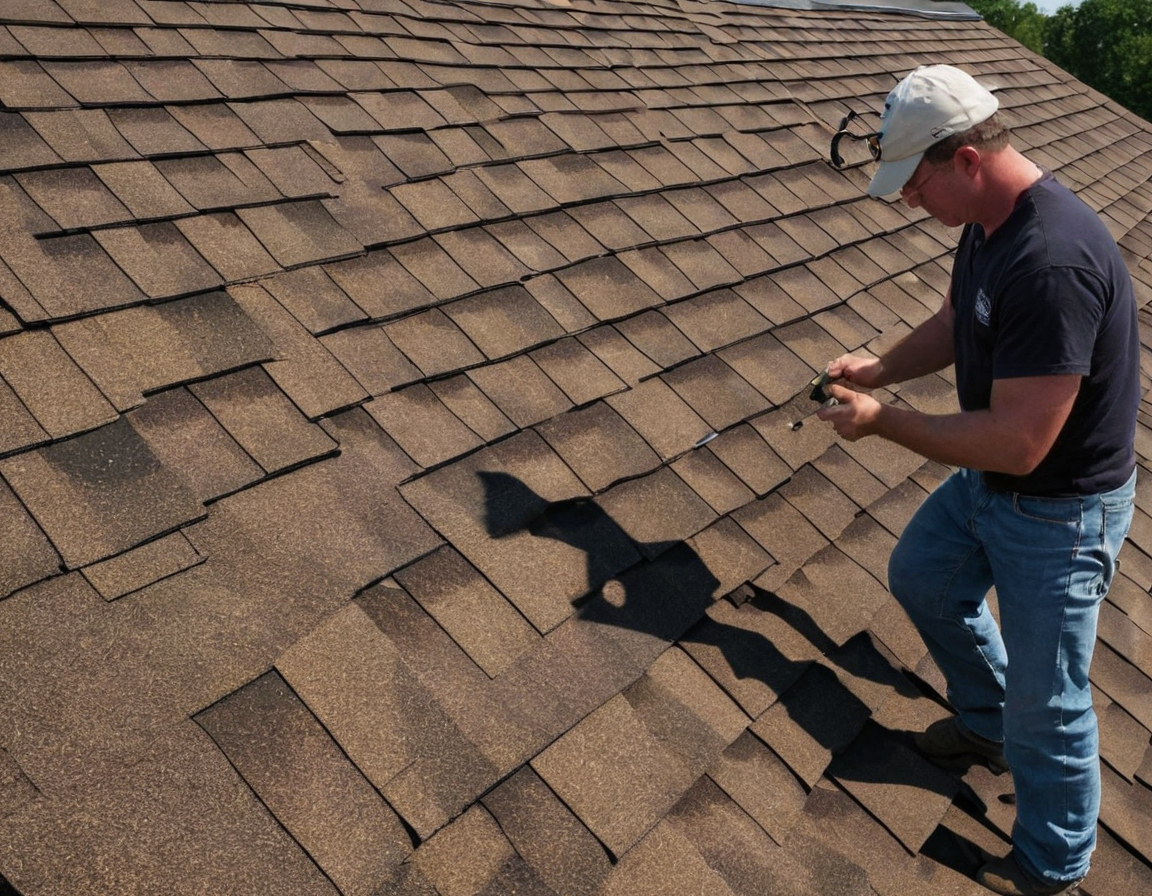
What final decision process should a homeowner use to choose a roofing contractor shown as an editorial planning reference.
A useful request is: “Please revise the estimate so the written scope states all materials, installation locations, exclusions, allowances, and change-order pricing. The written contract scope should control over any sales conversation.”
Keep revised estimates, addenda, and accepted changes in one project file. A signed change order should describe the hidden condition, price, added time, and homeowner approval before work proceeds.
Use a weighted scorecard when bids differ in scope, warranty, and risk
A scorecard keeps the homeowner from rewarding the thinnest proposal. Score only after missing items have been corrected in writing, then compare price against equivalent scope.
| Decision category | What to score |
|---|---|
| Credentials | License status, insurance certificates, business identity, and local track record |
| Scope completeness | Tear-off, deck repair, underlayment, flashing, ventilation, permits, and cleanup |
| Materials and installation | Named products, fastening method, accessory compatibility, and exposure details |
| Warranty and change orders | Workmanship term, exclusions, response process, allowance pricing, and signed approvals |
| Project control | Schedule, site protection, communication, payment milestones, and closeout documents |
Price should carry weight only after the bid includes the same roof system, risk items, and owner protections. Do not pick from the first price sheet; ask for normalized written bids, score the risk, then choose the contractor whose contract you can verify on the roof.
FAQ
How do you compare roofing estimates when one bid is much cheaper?
Normalize the cheap bid against the others before treating it as savings. Check tear-off layers, deck repair unit prices, underlayment, flashing, ventilation, permits, disposal, cleanup, warranty term, and exclusions.
What should be included in a roofing contractor estimate?
A roofing contractor estimate should include roof quantity, tear-off scope, deck repair pricing, named shingle system, underlayment, ice barrier where applicable, drip edge, flashing, vents, pipe boots, permits, inspections, disposal, cleanup, payment schedule, warranty documents, and change-order terms.
What is the average warranty on roofing materials, and what does it actually cover?
Material warranties vary by manufacturer, product, roof system, installer status, and registration rules. A material warranty generally addresses defects in the roofing products, not installation errors, reused flashing, poor ventilation, unauthorized alterations, or maintenance failures unless the written warranty says so.
What is the 25% rule for roofing, and does it apply in every jurisdiction?
The 25% rule is a local code or insurance-related concept in some areas that can affect whether repair work triggers broader replacement or code compliance requirements. It does not apply the same way everywhere. Ask the local building department, permit office, or a qualified roof consultant how it applies to the specific address.
How do you compare construction bids when the scopes are not the same?
Convert each bid into a worksheet with fixed scope, allowances, exclusions, product names, permit duties, schedule assumptions, warranty terms, and change-order pricing. Then ask each contractor to revise the bid in writing and compare price only after the scopes describe the same work.