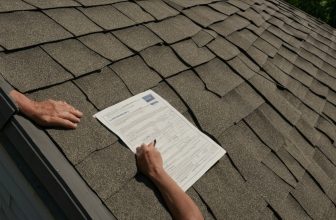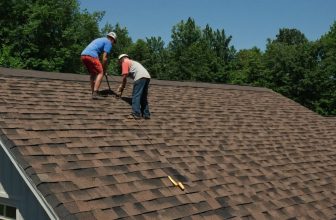
Rain is approaching, water is spreading across the ceiling, and a rushed repair could either prevent thousands of dollars in additional damage or create new holes in the roof. The practical verdict is simple: protect people and interiors first, stabilize active exposure before more weather, repair a localized and diagnosable defect under workable conditions, and monitor only a dry, stable condition through documented reinspections.
When does a storm-damaged roof leak require emergency action?
A storm leak requires emergency action when water approaches electrical equipment, a ceiling sags, structural components move, or severe weather threatens additional exposure. Control water only from a stable, dry interior location and leave exterior stabilization to qualified professionals.
Water near electricity or a sagging ceiling makes the roof leak an immediate safety problem
Leave the affected area and call emergency services if there is fire, arcing, smoke, a burning odor, collapse, or a fallen power line. Contact the utility about damaged service equipment or lines. Contact a qualified electrician if water has reached wiring, a panel, receptacles, fixtures, or appliances.
- Do not touch a wet switch, fixture, appliance, cord, panel, or standing water near electrical equipment. OSHA identifies electricity as a shock, electrocution, fire, and explosion hazard.
- Shut off power only if the panel and the route to it are completely dry. Otherwise, wait for the utility, fire department, or electrician.
- Keep everyone away from a ceiling that bulges, cracks, sheds material, or creaks. Do not puncture the bulge because saturated finishes and stored water can fall suddenly.
- Leave the building if rafters or walls shift, the roofline changes, doors suddenly bind, or a chimney leans or separates.
A storm-damaged roof is not a safe do-it-yourself work surface
Rain, wind, lightning, darkness, debris, frost, and steep slopes make roof access dangerous. Impact damage can also weaken decking around punctures, valleys, eaves, limbs, and displaced roofing even when the surface appears intact.
Do not climb onto the roof or place a ladder against a questionable eave, gutter, wall, or chimney. Energized troubleshooting should remain qualified work; an established electrical safety program calls for de-energized work unless specific exceptions apply. Once immediate hazards are controlled, classify the leak as a stabilization, repair, or monitoring case.
Should the storm leak be repaired now, tarped first, or monitored?
The correct response depends on active water entry, forecast rain, displaced materials, safe contractor access, and inspection availability. Stabilize uncontrolled exposure, repair an isolated defect in workable conditions, and monitor only a dry, stable assembly.
Active exposure before more rain usually calls for temporary stabilization
- Stabilize first: Active dripping, missing roofing, exposed underlayment, lifted flashing, an open puncture, or limb impact combined with approaching rain.
- Confirm access: A roofing contractor needs workable wind conditions, a sound attachment surface, and safe access appropriate to the roof type. Tile, metal, shingles, and low-slope membranes require different temporary methods.
- Protect the property: Control interior water in an occupied home. A vacant building may need faster exterior stabilization because progressing leaks can remain unnoticed.
A tarp may protect an open field area but fail at a chimney, valley, parapet, wall intersection, or concealed flashing defect. Photograph conditions before covering them when doing so will not delay necessary protection.
A localized and inspectable defect may proceed directly to permanent roof repair
- Repair now: The contractor identifies displaced shingles, failed pipe flashing, an opened metal seam, or an isolated puncture, and dry weather permits the specified repair.
- Verify below the surface: Remove enough surrounding material to inspect the underlayment and decking. Replacement components, sealants, and membranes must suit the roof system and substrate.
An unnecessary tarp can complicate a straightforward roof repair by adding fastener holes, redirecting runoff, or covering the defect.
Monitoring is appropriate only when the roof and interior remain dry and stable
- Monitor: A stain is dry, hail marks show no confirmed opening, roofing remains seated, and no moisture appears at sheathing, insulation, penetrations, ceilings, or wall intersections.
- Escalate: New staining, damp insulation, musty odor, material movement, or leakage after later rain ends monitoring.
Monitoring means dated observation after later rainfall, not inaction. Preserve evidence because ground observations cannot rule out hidden flashing, underlayment, deck, or attic damage.
How should storm roof damage be documented before mitigation or repair?
Document storm damage before materials are moved or covered, provided the work is safe and does not delay reasonable mitigation. Records should establish the location, scale, sequence, and development of the damage.
Storm-damage photos should establish location, scale, sequence, and change over time
- Photograph the property, exterior elevations, debris, drainage areas, and visible roof planes from the ground. Request contractor-supplied roof photographs rather than climbing.
- Record missing or lifted materials, punctures, flashing, attic conditions, wet insulation, and interior finishes. Include a ruler or familiar object for scale without disturbing anything.
- Log storm timing, discovery time, later rainfall, and changes in stains or moisture.
Separate observed facts, such as a displaced shingle, from unverified conclusions about wind, hail, aging, or installation defects.
Emergency mitigation records should separate temporary work from permanent repair
Record authorizations and invoices for temporary protection, material removal, water extraction, drying, inspection, and permanent repair. An emergency-work invoice should identify the date, roof area, temporary materials, attachment method, labor, photographs, and limitations. Policy notice requirements, inspection rights, and claim deadlines vary, so report the condition promptly and retain removed samples when practical and allowed.
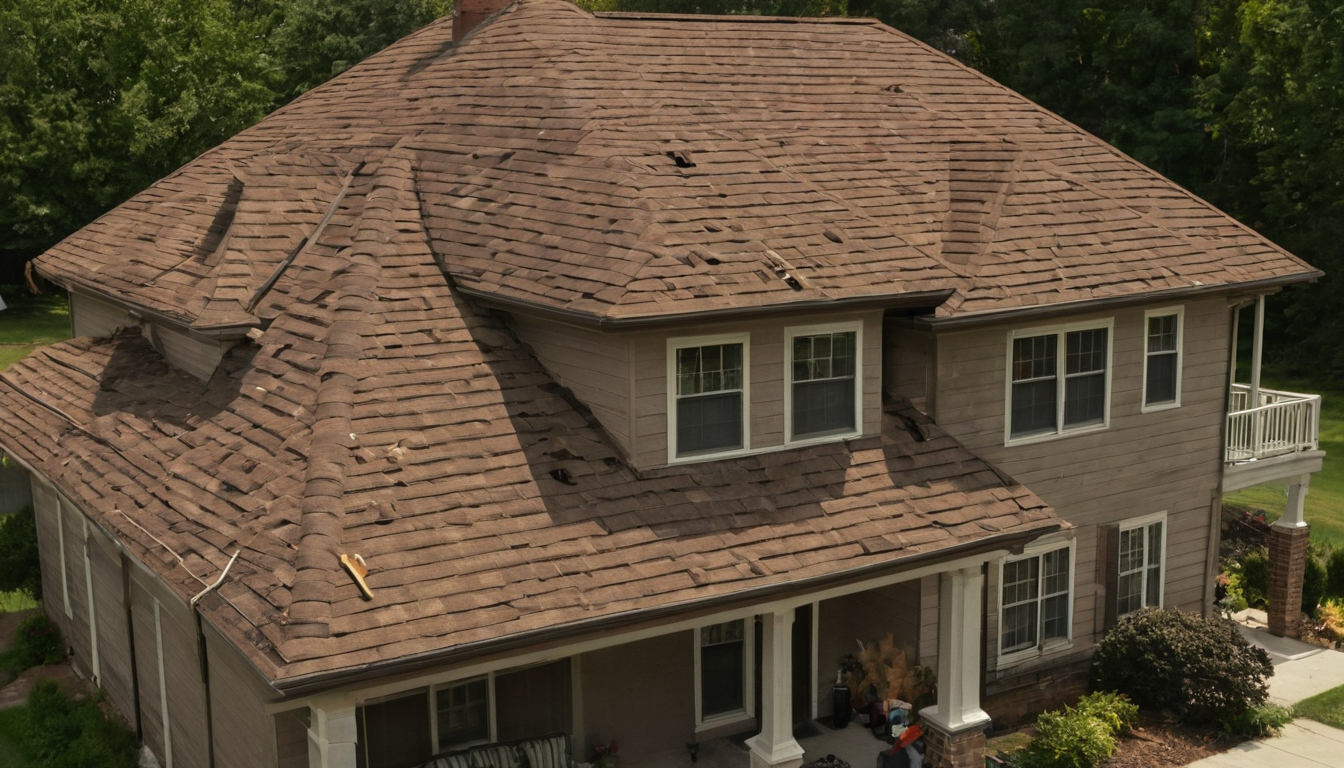
How should storm roof damage be documented before mitigation or repair shown as an editorial planning reference.
When will a roof tarp help, and when can tarping make damage worse?
A professionally installed tarp can reduce short-term rain entry when the damaged area is identifiable, the deck can hold the attachment, and weather permits safe work. The honest limitation is that tarping can create penetrations, redirect runoff, detach from weak decking, or conceal damage.
A roof tarp must shed water beyond the damaged area without creating a new entry path
Effective temporary protection extends upslope of the opening, drains toward an eave or functioning outlet, controls edges against wind, and avoids ponding. Valleys, ridges, parapets, penetrations, and roof-to-wall intersections require careful detailing because misdirected water can travel beneath roofing or behind flashing.
Mechanically fastened tarps need sound decking and controlled attachment points. Weighted covers avoid some holes, but weights can slide, obstruct drains, overload weak areas, or become airborne. Neither method fits every steep, wet, tile-covered, membrane, or wind-exposed roof.
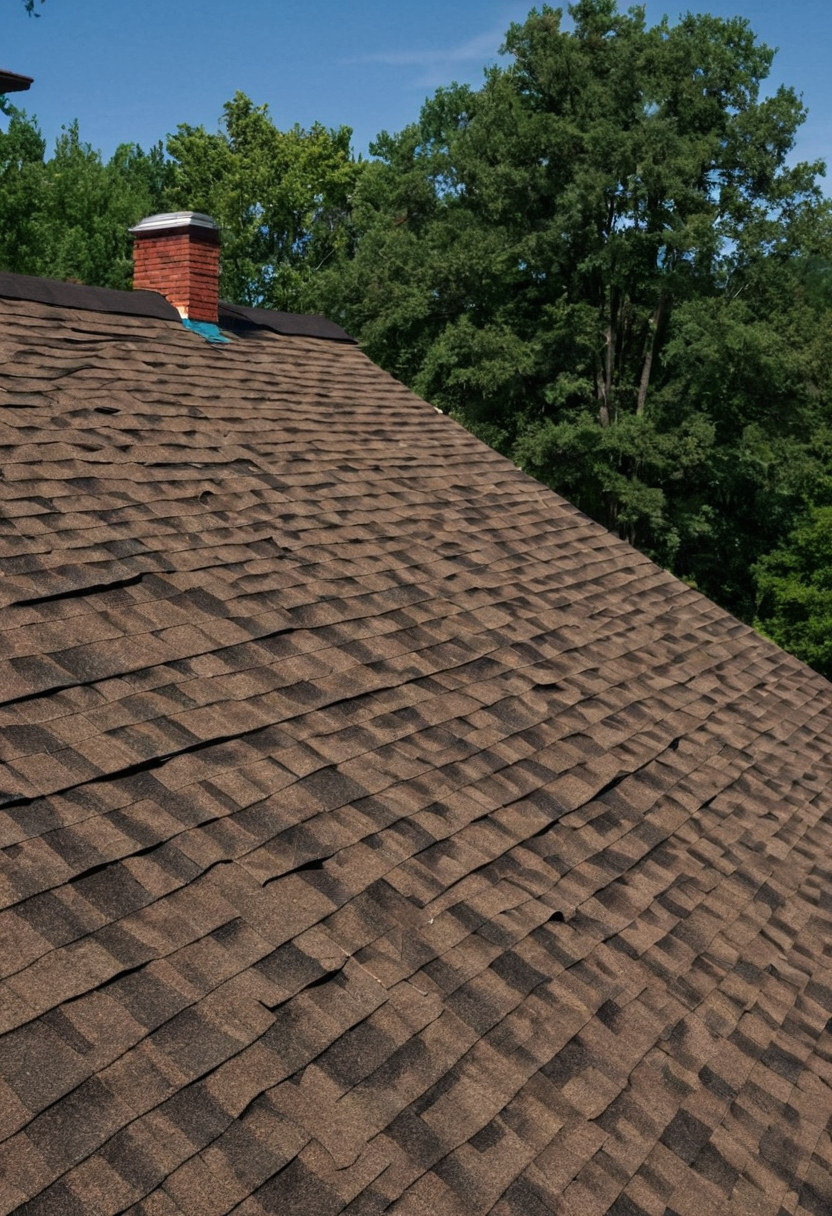
When will a roof tarp help, and when can tarping make damage worse shown as an editorial planning reference.
Temporary roof materials must be compatible with the existing roofing system
Asphalt shingles may accept a compatible temporary membrane or controlled tarp installation. Metal roofing requires attachments and sealants that do not distort seams or promote corrosion. Tile can crack under foot traffic or point loads. Low-slope membranes generally need compatible patches because some asphalt products, solvents, tapes, coatings, and fasteners can damage the membrane.
Adhesives also have limits for substrate dryness, preparation, temperature, and removal. The roofing contractor should identify the system and check manufacturer instructions before applying tape, sealant, coating, or a self-adhered sheet.
Every temporary roof cover needs a removal and inspection plan
The work order should record the installation date, covered area, attachment method, product limitations, monitoring responsibility, and planned removal. Inspect the cover after strong wind, rainfall, ponding, loose edges, or attachment movement. No tarp has a universal safe lifespan, and the cover must eventually be lifted or removed so hidden storm damage can be inspected.
How should interior water and trapped moisture be controlled after a roof leak?
Interior control should capture water, protect contents, expose wet materials only when safe, and support measured drying without driving moisture into closed cavities. Stopping the visible drip does not prove that insulation, decking, or framing is dry.
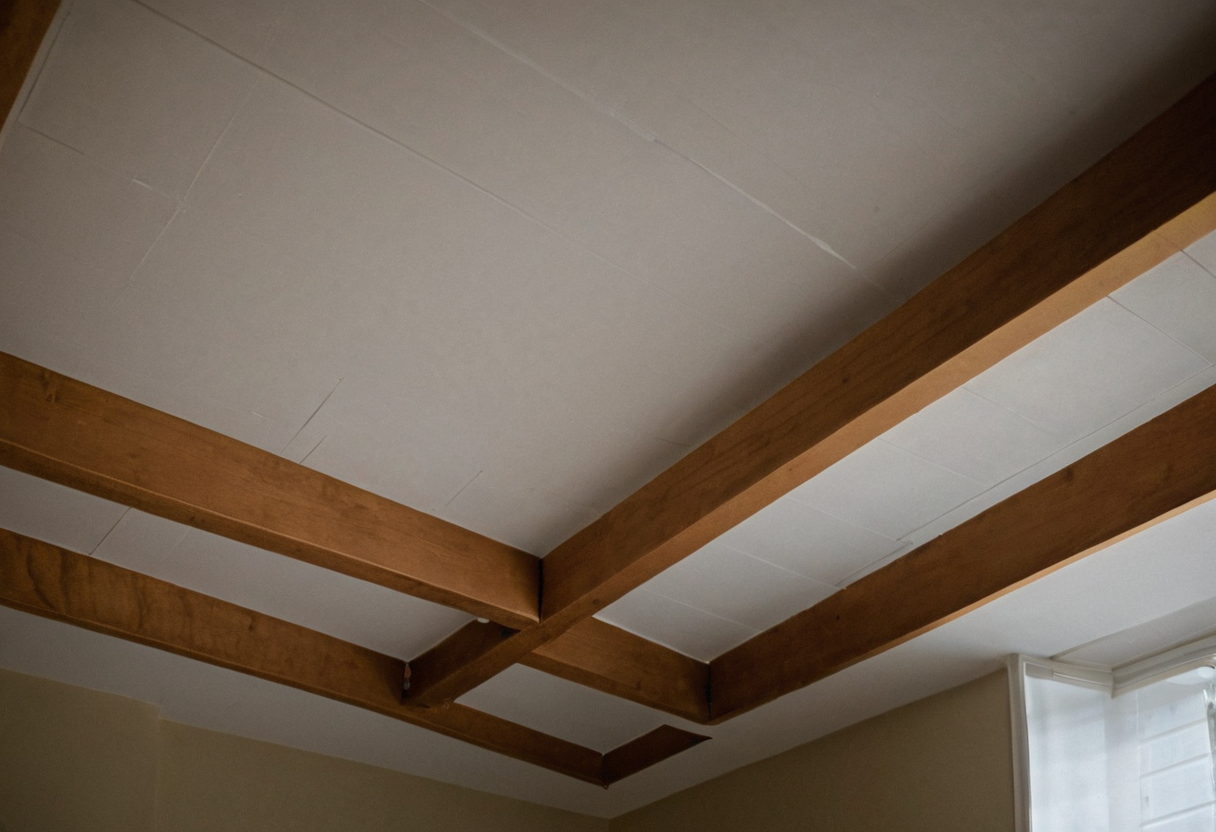
How should interior water and trapped moisture be controlled after a roof leak shown as a planning reference for layout, scale, and material decisions.
Stopping visible drips does not confirm that the roof assembly is dry
Rainwater can travel along decking, rafters, fasteners, insulation, and drywall before appearing at a ceiling opening. Inspection should cover penetrations, wall intersections, sheathing seams, attic insulation, and recessed fixtures. Infrared imaging can identify temperature differences, but repeat moisture-meter readings are more useful for verifying drying.
A bulging ceiling, saturated plaster, or water near wiring should not be opened by an occupant. Keep people away and have qualified electrical or restoration professionals assess the cavity. Water mixed with sewage, pests, roof debris, or microbial growth also requires contamination controls.
Drying equipment should match the weather, room, and affected materials
Remove bulk water first, then use controlled air movement and dehumidification after electrical conditions are safe. Open windows may help during dry weather but can add moisture during humid or rainy conditions. Fans should not spread dust or contamination from an opened cavity.
The EPA moisture-control guide recommends correcting damp areas promptly. A restorer should document meter locations, material types, and changing readings rather than relying on one universal drying threshold.
What should a roofing contractor verify before permanent storm roof repair begins?
Before permanent repair, a qualified roofing contractor should trace the entry path, inspect the substrate, separate storm damage from aging or installation defects, and specify a system-compatible repair that addresses applicable permits, inspections, flashing, ventilation, and warranties.
The roof repair scope should identify both the entry point and the failed assembly detail
The inspection should cover roofing, flashing, underlayment, decking, fasteners, penetrations, attic conditions, ventilation, and drainage. At valleys, walls, chimneys, vents, and edges, the scope should explain how new materials connect to existing water-shedding layers rather than merely coating the visible opening.
The proposal should define temporary-cover removal, substrate replacement allowances, flashing work, photographs, cleanup, and water testing where appropriate. Structural movement, wet wiring, chimney damage, solar equipment, or extensive interior moisture may require other qualified specialists.
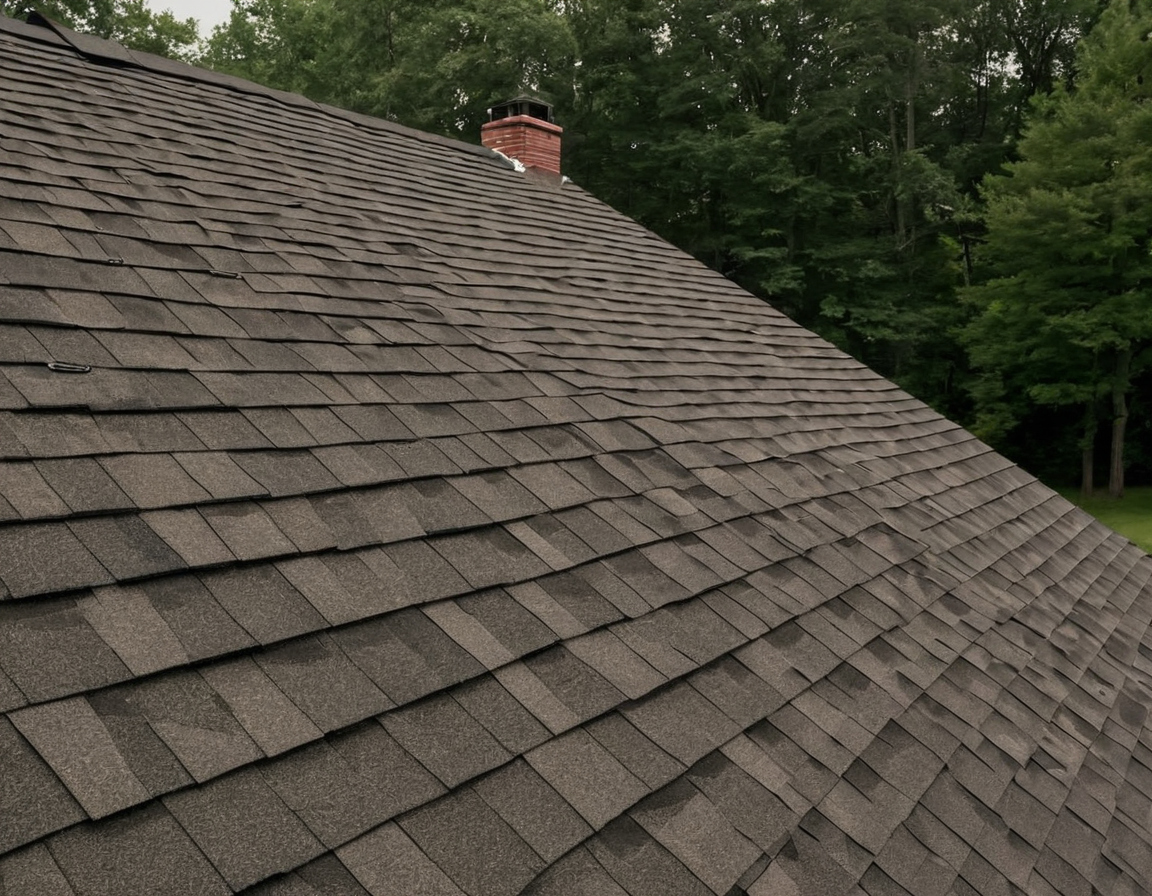
What should a roofing contractor verify before permanent storm roof repair begins shown as an editorial planning reference.
Comparable roofing proposals should use the same inspected scope and verification points
Require roofing companies to list materials, quantities, tear-off limits, decking allowances, permits, exclusions, cleanup, and separate warranty terms. Evaluate emergency response speed separately from permanent-repair qualifications, then compare roofing contractor bids by scope, materials, and warranty. Close the project after final photographs, required approvals, warranty documents, and a follow-up check after suitable rainfall or an approved test.
Frequently asked questions
Will a tarp stop every type of roof leak after a storm?
No. A tarp may shed water over an identifiable opening, but leaks at valleys, parapets, chimneys, walls, drains, or concealed flashing can bypass the cover. Tarp effectiveness depends on drainage, attachment, roof condition, and correct detailing.
How quickly can a roof leak damage insulation, ceilings, decking, or wiring?
Damage can begin during the first water entry. The rate depends on water volume, material absorbency, ventilation, temperature, and repeated exposure. Electrical contact, ceiling deformation, or saturated materials requires prompt professional assessment.