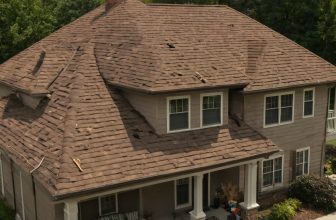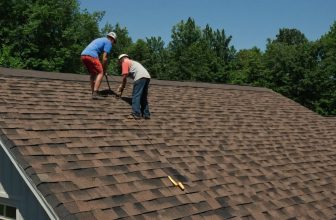
An insurer’s estimate sits beside a roofing contractor’s proposal and a check that looks authoritative. Yet the payout total is the least useful place to begin. The real decision is whether you are approving a complete roof replacement scope, authorizing construction, acknowledging payment, or doing all three.
What should a homeowner verify before reading the roof replacement estimate line by line?
Audit the roof replacement estimate as a claim document, not as a promise that every necessary operation is already included. Begin by matching the estimate to the property, loss, policy, and current claim revision.
The estimate header must identify the correct property, loss, and roof areas
Build one review file containing the complete estimate, summary, photographs, roof diagram, measurement report, line-item legend, and insurer correspondence. Confirm the property address, loss date, estimate date, revision number, cause of loss, and whether the document is initial, revised, or supplemental.
Check every affected structure and area. The house may be listed while a detached garage, porch roof, shed, gutters, siding, or interior water damage appears only in photographs or on another estimate. Ask the insurer to correct clerical errors and identify which revision controls.
The policy determines what the estimate can pay for
Review the declarations, deductible and roof-surface endorsements, ordinance-or-law coverage, settlement letters, and applicable coverage form. Identify whether covered roof damage settles at replacement cost or actual cash value and whether special deductibles, cosmetic exclusions, payment schedules, or matching provisions apply.
Accepting an undisputed check, signing a construction contract, and agreeing that the insurance scope is complete are different actions. Once the documents align, test whether the estimate’s measurements describe the roof that will actually be replaced.
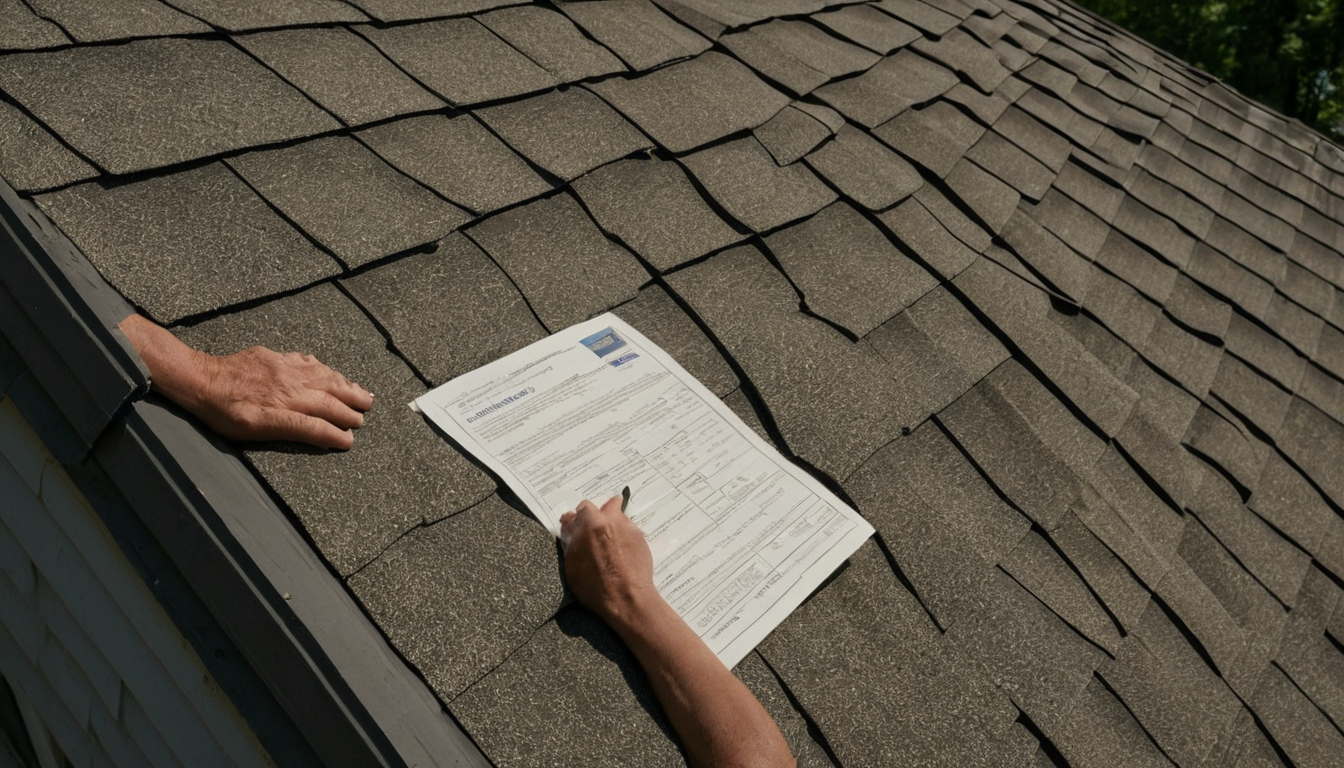
What should a homeowner verify before reading the roof replacement estimate line by line shown with practical context cues.
Do the roof replacement estimate’s measurements match the roof?
The quantities should reconcile with a roof diagram or field measurement using consistent assumptions for pitch, overhangs, waste, and included slopes. A home’s floor area cannot substitute for measurements of the roof planes.
Roof area and roofing squares are related but not interchangeable with order quantity
One roofing square represents 100 square feet of roof area. The shingle order may exceed measured plane area because cuts, laps, package coverage, and installation patterns create waste. Determine whether the estimate embeds waste in the shingle quantity or lists it separately.
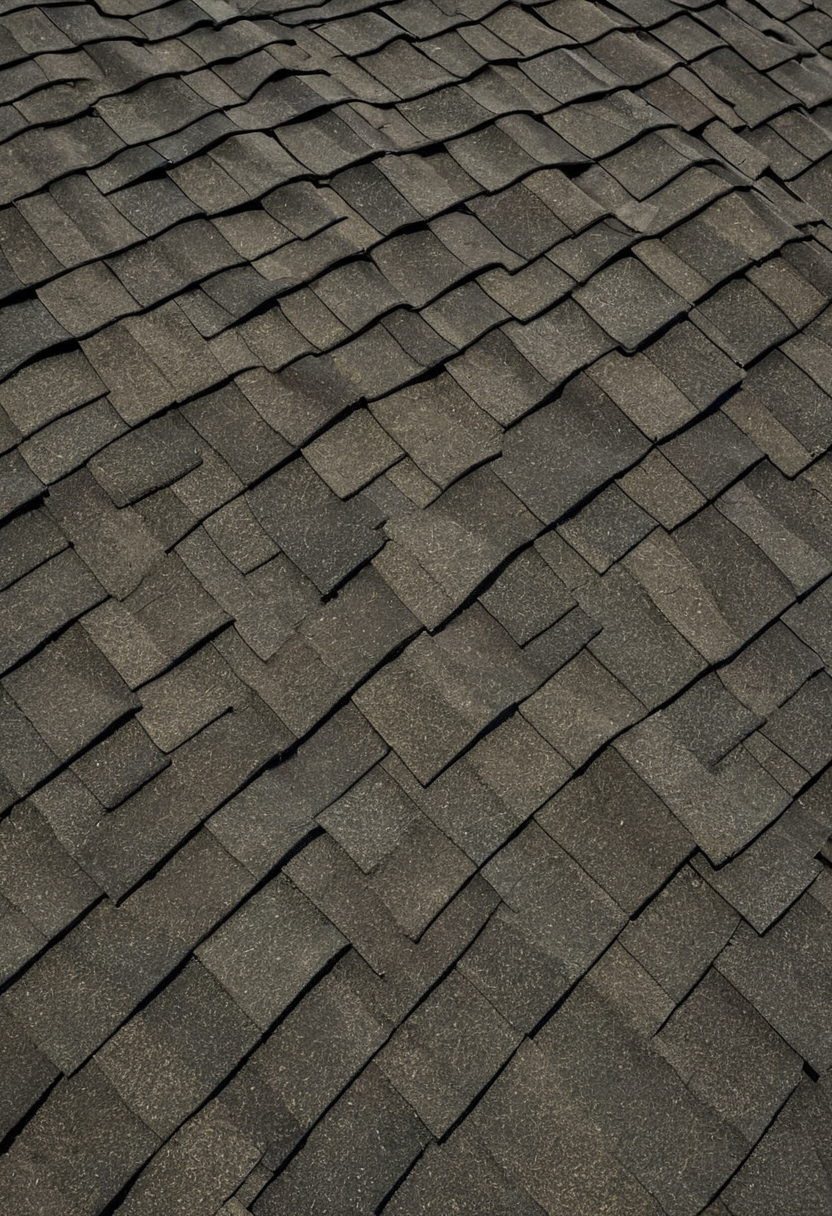
Do the roof replacement estimate’s measurements match the roof shown as an editorial planning reference.
Linear measurements reveal missing starter, ridge cap, valley, and edge work
Compare eaves, rakes, valleys, hips, ridges, wall intersections, and penetrations with the diagram. Then convert those measurements using the selected product’s coverage rates. A correct field-shingle quantity can coexist with missing starter, cap, valley material, drip edge, or flashing.
Pitch, height, and access can change labor without changing roof area
Photographs should document pitch, stories, staging limits, landscaping, and long material carries. OSHA requires specified fall-protection systems for covered steep-roof work with unprotected edges at least six feet above lower levels under 29 CFR 1926.501(b)(11).
If roof access or cleanup routes pass through occupied space, document the required protection. The EPA identifies building materials and cleaning products among common indoor sources of volatile organic compounds. Measurements may reconcile while removal and jobsite operations remain incomplete.
Does the insurance scope include all necessary tear-off and jobsite work?
A complete scope addresses removal, disposal, installation, and property protection, although coverage still depends on the policy and covered damage. Existing layers, flashings, vents, debris handling, and concealed decking require separate attention.
Removal quantities should correspond to the materials actually being removed
Inspection photographs, permit records, or an appropriate test cut can establish existing materials and roof-covering layers. Local reroofing rules may restrict another covering over existing materials, so matching only the replacement-shingle quantity can omit necessary labor.
- Remove: field shingles, existing cap, underlayment, adhered membranes, flashings, vents, and each documented layer.
- Replace: underlayment, shingles, starter, cap, valleys, required flashings, vents, fasteners, and edge components.
- Support: delivery, tarps, landscaping and driveway protection, loading, hauling, disposal, and nail cleanup.
Decking replacement may require a documented post-tear-off supplement
Concealed decking damage should remain contingent unless its extent is already documented. Follow the insurer’s authorization procedure, then record exposed conditions with photographs, measurements, invoices, and any code or manufacturer requirement for a suitable fastening substrate.
Wet areas require prompt attention because the EPA advises homeowners to correct wet or damp spots promptly. If water is entering now, document and mitigate an active storm-related roof leak while the replacement scope remains under review.
Which roofing accessories and code items belong in the replacement scope?
Accessories belong when the selected roofing system, existing assembly, manufacturer instructions, adopted code, or covered repair method requires them. A generic accessory allowance cannot replace property-specific documentation.
Manufacturer instructions define the compatible roof system for the selected product
Record the exact manufacturer and product line. Check the current installation instructions for slope limitations, fastening patterns, underlayment, leak barriers, starter, cap, valleys, flashing interfaces, coverage rates, and warranty conditions. A proposed substitute assembly needs written support.
Local code requirements must be verified for the property’s jurisdiction and permit date
Confirm the adopted code and local amendments in effect for the permit. Ask the building department about deck condition, reroofing limits, ice barriers, drip edge, flashing, ventilation, inspections, and permit fees. Required physical compliance does not automatically establish coverage; ordinance-or-law provisions may control payment.
Ventilation changes require calculations, not a matching vent count
Compare attic area, intake capacity, exhaust capacity, and each vent product’s net free ventilating area. The scope should provide compatible intake and exhaust rather than merely replace the old number of vents. If roofing products that emit volatile organic compounds are used indoors, the EPA recommends increasing ventilation during product use; that guidance is separate from calculating permanent attic ventilation.
How do replacement cost, actual cash value, depreciation, deductible, and recoverable costs change payment?
The estimate total is not necessarily the first payment. Under applicable policy terms, the insurer may subtract depreciation from replacement cost value, apply the deductible, and withhold recoverable depreciation until qualifying work is documented.
The claim summary should reconcile from line-item total to net payment
Consider a hypothetical $20,000 replacement cost value. Subtract $5,000 depreciation to reach a $15,000 actual cash value, then subtract a $2,000 deductible. The net initial payment is $13,000. Prior payments reduce later checks, while nonrecoverable depreciation limits the final payment.
How do replacement cost, actual cash value, depreciation, deductible, and recoverable costs change payment shown as an editorial planning reference.
Recoverable depreciation depends on policy compliance and documented completion
Recovery may require invoices, photographs, permits, proof of payment, or completion certificates within stated deadlines. Review extension and submission procedures before work begins. If documented costs differ, determine whether the issue belongs in a supplement.
When does a difference between the roofing contractor and insurer justify a supplement?
A difference justifies a supplement when evidence supports a measurement correction, omitted operation, concealed condition, code item, or price issue. Coverage questions and owner upgrades require different treatment. A higher total by itself proves nothing.
What should a homeowner do before approving or sharing the insurance scope?
Create a written decision record separating agreed insured work, unresolved work, tear-off contingencies, coverage questions, and owner upgrades. Confirm whether the insurer seeks formal scope acceptance or has simply issued an estimate and undisputed payment. For related context, review compare roofing contractor bids after the insurance scope is audited.

What should a homeowner do before approving or sharing the insurance scope shown as an editorial planning reference.
State law may restrict contractor activity involving policy interpretation, claim negotiation, assignments of benefits, direction-to-pay agreements, deductible rebates, or services requiring a public-adjuster license.
The final approval checklist should preserve unresolved and contingent items
- Agreed insured work: product, quantities, permits, cleanup, payment schedule, warranties, and cancellation rights.
- Unresolved work: pending supplements, code support, responsible parties, deadlines, and insurer responses.
- Contingent work: decking or concealed damage, evidence requirements, authorization, and change-order pricing.
- Owner upgrades: elective materials or work priced separately from the covered replacement.
Approve construction only when the written agreement preserves unresolved items instead of quietly treating the first estimate as final. A trustworthy estimate is not the one with the most reassuring total. It is the one whose quantities and operations can be traced back to the roof.
Frequently asked questions
Should I give my roofing contractor the complete insurance estimate or a redacted copy?
Share enough of the estimate for a line-by-line scope comparison, but redact financial accounts, personal identifiers, unrelated damage, and other information the contractor does not need.